The retention conversation most organizations keep getting backwards
Have you ever lost a strong employee and genuinely not seen it coming?
Did the exit interview give you an answer that felt rehearsed, something polite that didn't quite explain the whole picture?
Have you ever wondered whether the real reason someone left was something that happened months earlier, in a moment nobody tracked?
Most retention conversations start at the exit. Dr. Carrie Graham argues that's already too late. She's spent decades studying what happens long before someone hands in their notice, and what she's found reframes the entire problem.
The organizations asking "why do people keep leaving?" are solving for the wrong thing. The better question is what would make someone actually want to stay.
That shift sounds simple. What it demands of leaders and organizations is anything but.
The Researcher Who Started Asking a Better Question
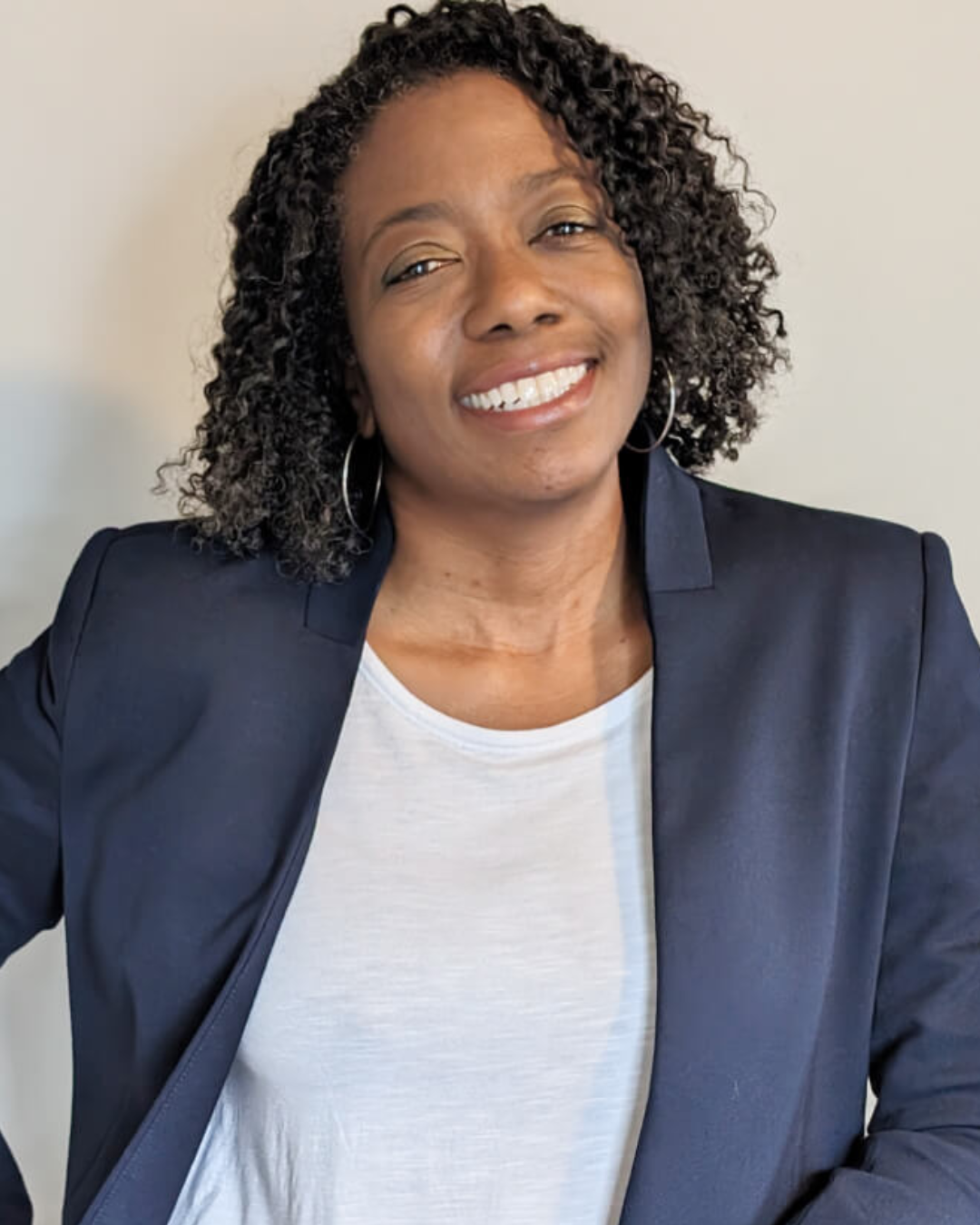
Dr. Carrie Graham is a training strategist specializing in scalable talent development for small and mid-sized organizations. Her methodology focuses on understanding individual team dynamics, optimizing how information gets delivered, and building employee confidence through training programs that don't require complex infrastructure to work.
Her interest in this topic didn't begin in a research lab. It began in a high-stress work environment where she watched firsthand as some people found a way to persist and others didn't. The ones who stayed weren't necessarily tougher or more talented. They had tools, support, and a sense that the organization was invested in them.
That early observation became doctoral research. The research became client work. And the client work became a book, out this summer, that extends everything covered in this conversation.
(03:48) Retention vs. Attrition: Why the Framing Matters More Than You Think
Most organizations build their retention strategy around attrition. The number ticks up, someone gets concerned, and the conversation that follows is almost always some version of: why does everyone keep leaving?
Dr. Graham makes a case for flipping that entirely. When you orient around the problem, you stay in the problem. The organizations actually making progress on retention are asking a fundamentally different question: what do people need to stay and thrive?
That reframe changes what gets built. You stop designing interventions around damage control and start designing around genuine support.
On salary, she's direct. Pay matters, and she doesn't sidestep that. But it's not the whole story, and for some employees it's not even the deciding factor. The conversation gets into exactly what does move the needle, and what organizations of any size can actually do about it.
(09:28) The Promotion That Sets Everyone Up to Fail
Why do people end up in management roles? They've been there the longest, or everyone else left, or they simply asked. None of those reasons have anything to do with whether someone is actually prepared to lead, develop, and support other human beings.
Here's a pattern that plays out in organizations constantly:
Before the promotion: strong individual contributor. Reliable results. Trusted by peers.
After the promotion: responsible for the performance, development, and day-to-day experience of a whole team, with no training on how to do any of it well.
What nobody tracks: six months later, their best direct report is quietly taking recruiter calls.
The assumption that capable people can figure out leadership on their own is exactly where organizations create the conditions for their best employees to leave. Dr. Graham gets into what closing that gap actually looks like and why it matters more than most organizations realize.
(13:43) What Nobody Knew Until There Was Space to Say It
Dr. Graham shares a client story that reframes what a "performance problem" often actually is.
A highly credentialed professional was struggling in a way her team lead couldn't understand. From the outside, it looked like a straightforward issue. What was actually happening ran much deeper, and nobody had thought to ask.
Once there was space for the real story to come out, the frustration on both sides dissolved. The work that had stalled started moving again. The person who had seemed like a problem became one of the strongest contributors in the room.
"Development starts with understanding who the individual is and what they bring to the table. It is all the things that they didn't tell you about, but that in fact influence their ability, their motivation, and their capacity to excel at the job." — Dr. Carrie Graham
(17:15) The Social Role Shift Nobody Plans For
COVID made something visible that had always been true: employees don't leave their lives at the door.
The organizations that handled that period well acknowledged the reality and made adjustments. The ones that struggled treated it as a temporary disruption to wait out.
Here's what Dr. Graham's perspective makes clear about why this matters for retention:
The person you hired five years ago may be carrying an entirely different set of responsibilities today
Their capacity, priorities, and what they need from work have shifted whether or not anyone has acknowledged it
Employees who feel seen through those transitions are the ones who stay
The ones who don't feel seen start looking
Recognizing that people's lives evolve isn't a soft idea. It's one of the most practical retention levers most organizations aren't using.
(20:32) What the Research Actually Found
Dr. Graham's doctoral research followed high-achieving women in demanding work environments, women who entered organizations that recruited them with promises of development and found something different once they were inside.
The findings are worth knowing about if you lead people or hire them.
Access wasn't equal. Mentorship and development opportunities existed, but who actually had access to them told a different story than the org chart suggested.
The recruitment promise created a gap. What was offered during hiring and what existed inside the organization diverged in ways that eroded trust and ultimately drove decisions.
The consequences went beyond turnover. The health implications Dr. Graham documented were serious, lasting, and in her assessment, avoidable.
The pattern isn't industry-specific. It shows up wherever the gap between what organizations promise and what they deliver is wide enough to matter.
So What Does Getting This Right Actually Look Like?
This doesn't get solved by a program launch or a policy update.
It gets solved by managers who take time to understand who their people actually are. By organizations that mean what they say about development. By leaders willing to acknowledge that the people on their teams are whole humans whose needs don't stay static.
The full conversation goes further into what that looks like in practice, including what candidates should be doing before they ever accept an offer, and why the employees you invest in most genuinely become your strongest recruiting asset long after they've moved on.
Connect with Dr. Carrie Graham: LinkedIn | DrCarrieGraham.com | YouTube | Instagram
Connect with Traci here: https://linktr.ee/HRTraci